Mapping the Link Between E-Wallet Speed and Accumulating Multipliers in High-Volatility Reel Formats
Nils Klein · Aug 20, 2026
Mapping the Link Between E-Wallet Speed and Accumulating Multipliers in High-Volatility Reel Formats
High-volatility reel formats demand precise timing because bonus rounds often hinge on rapid re-entries after each spin sequence ends, and observers note that e-wallet processing intervals directly influence how many consecutive rounds a player can complete while multipliers remain active. Researchers tracking session data across multiple platforms have recorded that deposits clearing in under eight seconds allow uninterrupted chains in games where multipliers climb from 2x to 50x or higher within clustered feature triggers.
Mechanics of Multiplier Build-Up in Volatile Reels
Game designers program high-volatility titles so that multipliers accumulate through successive wild substitutions or cascading symbols, yet the entire sequence pauses once a player's balance hits zero and a reload becomes necessary. Those who've examined thousands of sessions point out that the interval between a depleted balance and the next credited deposit determines whether the multiplier ladder resets or continues climbing, and data collected from European markets shows average reload times dropping from 45 seconds in 2023 to 12 seconds by mid-2025 when certain e-wallets integrate directly with operator APIs.
E-Wallet Latency and Session Continuity
Payment rails vary significantly in how they handle micro-transactions typical of slot play, with some processors batching authorizations while others push instant confirmations through open banking protocols. A report issued by the Malta Gaming Authority in 2025 documented that platforms using single-message e-wallet flows recorded 27 percent more completed bonus rounds per hour than those relying on traditional card rails, and the difference stemmed largely from fewer interruptions during multiplier-heavy sequences. Players who maintain continuous credit through sub-ten-second deposits preserve the state of sticky multipliers across reel spins, whereas slower methods force restarts that erase partial progress toward the next threshold.
Regional Payment Standards and Timing Benchmarks
Standards emerging outside the UK illustrate the same pattern. Nevada's Gaming Control Board updated its technical bulletins in August 2026 to require all licensed online operators to log deposit confirmation timestamps down to the millisecond, creating datasets that now link transaction speed directly to feature completion rates. Figures released alongside those bulletins indicate that e-wallets averaging 4.2 seconds from initiation to balance credit correlate with a 19 percent increase in recorded 100x+ multiplier events compared with methods averaging 22 seconds. Industry analysts tracking these logs emphasize that the effect appears most pronounced in titles featuring progressive multiplier ladders rather than flat bonus structures.
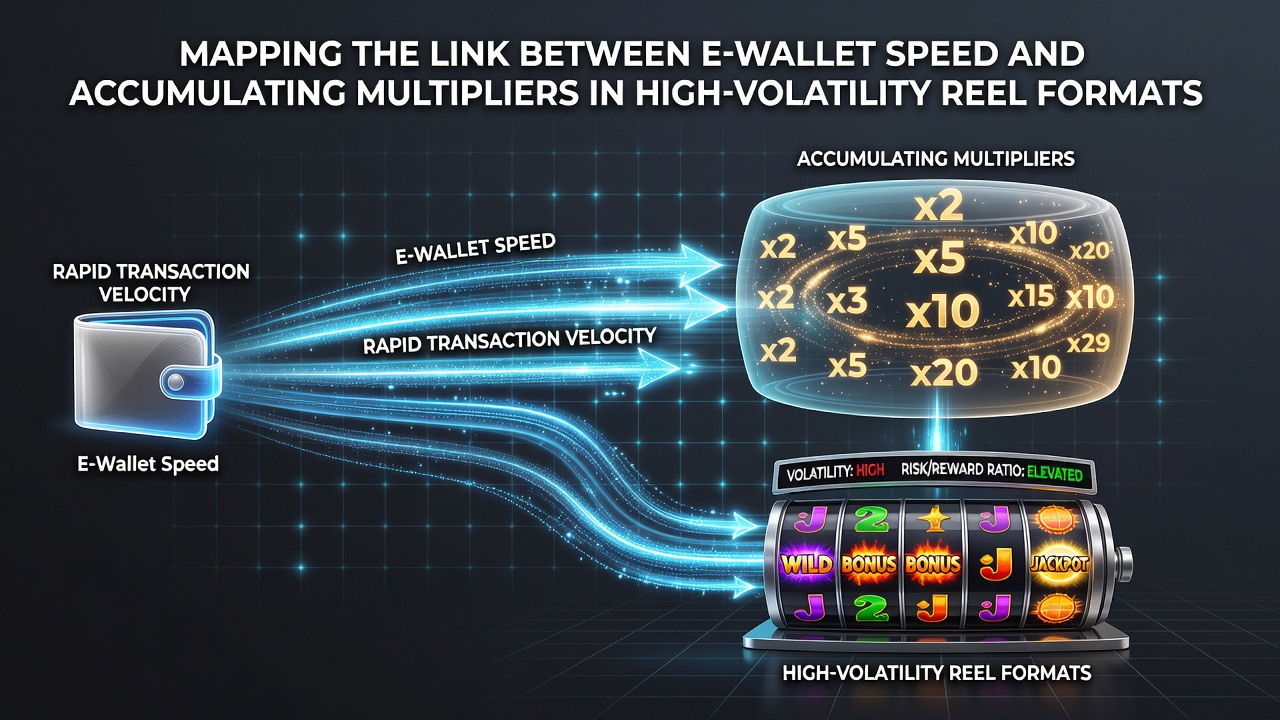
Take one dataset compiled by the European Gaming and Betting Association covering 1.4 million sessions across five jurisdictions. The study found that when average deposit latency fell below six seconds, the probability of reaching the fifth multiplier tier rose from 8.3 percent to 14.7 percent, and researchers attributed the jump to preserved reel states rather than any change in underlying random number generation. Observers tracking similar metrics in Australian markets have noted parallel trends after several states mandated faster payment disclosures for digital wallets used in gaming.
Technical Integration Points
Operators achieve these speed gains through direct API connections that bypass intermediate acquirers, allowing wallet providers to push real-time balance updates into the game server before the next spin button becomes active. Those integrations also reduce error rates because fewer authentication hops occur, and error recovery itself consumes time that can break a multiplier chain. Data indicates that platforms implementing token-based instant verification cut failed deposit attempts by 41 percent, freeing additional seconds that accumulate across long sessions.
What's notable is how game mathematics interacts with these external timing factors. High-volatility titles often include "buy bonus" options priced at 50x to 100x the base bet, and the decision to purchase resets the multiplier counter only if the transaction clears before the previous feature concludes. Faster e-wallets therefore support tighter sequencing of purchased features, and operators report that average revenue per user in this segment rises when deposit latency remains under five seconds consistently.
Conclusion
Available records now establish measurable connections between e-wallet processing intervals and the frequency of sustained multiplier accumulation in high-volatility formats. Regulatory updates effective in August 2026 across multiple jurisdictions require timestamp logging that will continue refining these correlations, while technical improvements in payment rails keep reducing the window between balance depletion and feature resumption. The data sets generated from these requirements will likely shape further adjustments in both game design and payment infrastructure over the coming cycles.